+44 7491 364772 Monday - Friday from 9:00 am to 6:00 pm
Traditional Icon Painting Course by Sofiia Strakhova | Online Learning
Step-by-Step Icon Painting Instruction for Beginners and Advanced Students. Learn Traditional Egg Tempera and Gilding Techniques
1. Icon Painting Course with Sofiia Strakhova | Learn Traditional Techniques Sofiia Strakhova offers a unique icon painting course that allows you to master the traditional techniques of this sacred art form. You will learn the fundamental principles of iconography, from the use of natural pigments to the intricate application of gold leaf. This course is suitable for both beginners and experienced artists looking to deepen their knowledge. The online format allows you to study the techniques at your own pace. 2. Master Iconography with Sofiia Strakhova | Online Icon Painting Courses Sofiia Strakhova's icon painting course is designed to provide you with a profound understanding of iconography and its techniques. You'll have the opportunity to master key aspects of this art under the guidance of an expert with years of experience. The online course format allows you to learn iconography at your own convenience, making it the perfect choice for those who value flexibility in their studies. 3. Traditional Icon Painting Course by Sofiia Strakhova | Online Learning Sofiia Strakhova's traditional icon painting course is ideal for those who want to immerse themselves in the centuries-old history and techniques of iconography. This course offers the convenience of learning from home and is suitable for both beginners and those with some experience in the field. You will learn the egg tempera technique, gold leaf application, and the intricacies of creating images that reflect the spiritual world. 4. Learn Iconography: Icon Painting Courses by Sofiia Strakhova Online Iconography is not just an art form; it's a deeply spiritual practice. In Sofiia Strakhova's courses, you will learn the key aspects of icon painting, from basic techniques like board preparation to detailed work with gold leaf and natural pigments. The online format of the course allows you to study at your own pace, gaining access to unique knowledge and expertise. 5. Iconography and Icon Painting Courses | Sofiia Strakhova's Expertise Sofiia Strakhova's experience in icon painting makes her courses exceptional. She combines traditional techniques with a modern approach to teaching, offering students a deep understanding of iconography. Her courses cover all stages of icon creation, from board preparation to the final touches. You will receive personalized support and feedback at every stage of your learning process. Let me know if you need any adjustments or more content! Traditional Icon Painting Course: An Overview A Traditional Icon Painting Course offers a deep dive into the ancient practice of creating sacred images using time-honored techniques. These courses focus on the spiritual and artistic aspects of iconography, often teaching the methods that have been passed down through centuries. In a traditional icon painting course, students learn key techniques like egg tempera painting, gold leaf gilding, and wood panel preparation. The goal is to create icons that not only possess artistic value but also convey deep religious and spiritual significance. Courses are typically offered both in-person and online. In-person workshops are usually held in studios or religious settings, such as monasteries or churches, where students can immerse themselves fully in the practice. Online icon painting courses are gaining popularity for their flexibility, offering students the chance to learn at their own pace from anywhere in the world. Who Teaches Traditional Icon Painting? Traditional iconography is usually taught by experienced iconographers who have mastered the techniques over years, if not decades. Teachers often come from a religious or artistic background, combining their artistic skill with deep theological knowledge. Some renowned teachers in this field, like Sofiia Strakhova, bring a unique blend of technical mastery and spiritual insight, helping students understand both the practical and devotional aspects of icon painting. Who Can Enroll in Traditional Icon Painting Courses? Anyone with an interest in religious art can enroll, regardless of skill level. Many courses are designed for beginners who are new to the art form, offering step-by-step guidance on everything from basic strokes to complex gilding techniques. Advanced courses exist as well, focusing on more complex compositions, icon symbolism, and advanced painting methods. These are ideal for seasoned artists or those who want to perfect their skills. ________________________________________ Frequently Asked Questions About Traditional Iconography 1. What is traditional icon painting? Answer: Traditional icon painting refers to the creation of religious images, usually within the Eastern Orthodox and Byzantine Christian traditions, using specific techniques such as egg tempera painting and gold leaf gilding. These icons serve as sacred visual representations used in prayer and worship. The process is deeply spiritual, often involving prayer and reflection. 2. What materials are used in traditional icon painting? Answer: The materials used in traditional icon painting are often natural and have symbolic meaning. These include egg yolk mixed with pigments (egg tempera), gold leaf for gilding halos and backgrounds, and natural wooden panels for the surface. Brushes made of natural hair and other specialized tools are also commonly used to apply the paint and gold leaf with precision. 3. How long does it take to complete an icon painting course? Answer: The duration of an icon painting course can vary. Short introductory courses may last a few days or weeks, while in-depth courses that cover all aspects of traditional techniques can last several months. Some online courses offer flexible learning schedules, allowing students to work through the material at their own pace. 4. Can I learn iconography online? Answer: Yes, many traditional icon painting courses are now offered online. In these courses, students receive video lessons, detailed instructions, and sometimes one-on-one mentorship from experienced iconographers. Online courses allow you to learn in the comfort of your home while still receiving high-quality instruction on the principles and techniques of icon painting. 5. What is egg tempera, and why is it used? Answer: Egg tempera is a painting medium made from egg yolk mixed with pigments. It has been used in iconography for centuries because of its durability, fast-drying properties, and ability to produce vivid, luminous colors. The use of egg tempera in iconography also carries symbolic weight, representing life and renewal. 6. Do I need to be religious to take an icon painting course? Answer: While many students of iconography are religious or spiritually inclined, it is not a requirement to take the course. However, traditional icon painting is deeply connected to religious traditions, and students are often encouraged to reflect on the spiritual significance of the icons they are creating. Understanding the symbolic meaning behind the imagery can enhance the learning experience. 7. What skills do I need to start icon painting? Answer: You do not need any prior artistic experience to begin a traditional icon painting course. Many courses are designed for complete beginners and will guide you through every step of the process, from preparing your panel to applying the finishing touches. However, patience and attention to detail are important qualities for mastering this art form. 8. Why do icon painters use gold leaf? Answer: Gold leaf is used in iconography to symbolize the divine light of heaven. It is typically applied to halos, backgrounds, and other sacred elements of the icon. The technique requires skill and precision, and it adds a luminous, radiant quality to the image, helping to convey its spiritual significance. 9. How can I choose the right icon painting course for me? Answer: When choosing a course, consider your skill level and learning preferences. If you are a beginner, look for courses that offer step-by-step instruction and hands-on guidance. For more advanced students, courses that delve into theological meaning, historical styles, and advanced techniques may be more suitable. Online courses offer flexibility, while in-person workshops provide an immersive experience. 10. What is the significance of icons in Christian worship? Answer: Icons play a crucial role in Eastern Orthodox and Byzantine Christian worship, serving as visual representations of saints, Christ, and other sacred figures. They are often used in prayer, placed in churches and homes, and venerated by believers. Icons are considered "windows to heaven," providing a spiritual connection between the earthly and divine. Learn Iconography Online: How and Where to Study This Sacred Art Learning iconography online has become an accessible and flexible option for those interested in mastering the ancient art of icon painting. Whether you're a beginner curious about religious art or someone with prior artistic experience, online courses provide a platform to dive deep into the techniques, symbolism, and spiritual significance of iconography. How to Learn Iconography Online When learning iconography online, you typically follow a structured course that covers everything from the basics of drawing and painting sacred images to advanced techniques like gilding and egg tempera application. The learning process often includes video tutorials, step-by-step written guides, and personalized feedback from expert iconographers. Many courses offer downloadable resources such as PDF guides, materials lists, and templates to help you get started. Some programs also include live sessions or one-on-one mentorship, where you can ask questions, receive critiques, and develop your skills under the guidance of an experienced iconographer. Instructors in these courses don’t just teach technical skills; they often emphasize the spiritual nature of iconography, encouraging students to reflect on their connection to the divine while creating their art. Where Can You Learn Iconography Online? Several platforms and independent artists offer online iconography courses, often providing flexible learning schedules. Here are some popular options: 1. Sofiia Strakhova's Icon Painting Courses Sofiia Strakhova is a renowned iconographer who offers comprehensive online courses that teach traditional techniques like egg tempera painting and gold leaf gilding. Her approach balances technical skills with spiritual reflection, making her courses ideal for those seeking both artistic and spiritual growth. 2. The Prince's School of Traditional Arts Based in the UK, this institution offers various courses on traditional arts, including icon painting. While their in-person workshops are popular, they also offer online modules that explore the deep spiritual and historical roots of iconography. 3. Prosopon School of Iconology This school is highly respected for its spiritual approach to icon painting, integrating prayer and reflection into the learning process. Their online workshops allow students to learn from master iconographers and delve into the theological aspects of iconography. 4. Sacred Art Pilgrim This site offers both free and paid resources for learning iconography online. They provide video tutorials and courses that teach traditional icon painting techniques while also exploring the role of religious art in worship. Famous Iconographers to Learn From Many well-known iconographers have made significant contributions to modern icon painting while staying true to traditional methods. Sofiia Strakhova is one of the contemporary masters offering online courses. Other celebrated figures include: • Aidan Hart, a well-known British iconographer who teaches online and in-person courses. • Vladimir Grygorenko, an Orthodox iconographer whose works are widely appreciated for their traditional style. • Fr. Zenon, a revered Russian iconographer known for his deeply spiritual and minimalist icons, also conducts workshops and online courses. These masters emphasize that iconography is more than just a skill—it is a form of prayer and devotion. How Iconography Combines Art, Religion, and Joy Iconography is deeply rooted in religious traditions, particularly within the Eastern Orthodox and Byzantine Catholic faiths. When learning icon painting, students are often encouraged to approach the process with prayer and meditation. Each brushstroke, each layer of gold, and each symbolic detail is meant to reflect the presence of the divine. For many, the act of creating an icon is a spiritual journey, not just an artistic one. Despite its spiritual seriousness, learning iconography can also bring great joy and fulfillment. The process of creating something so deeply meaningful, combined with the meditative nature of the work, often results in a calm and peaceful mindset. The use of natural materials like egg tempera and gold leaf creates a tactile connection to the art, while the slow, deliberate techniques help cultivate mindfulness and inner peace. Icon painting courses often encourage students to immerse themselves in the religious and historical context of their work, drawing connections between their art and their faith. This makes learning iconography a unique combination of devotion, creativity, and mental well-being. Why Learn Iconography Online? Online iconography courses offer several key advantages: 1. Flexibility: You can learn at your own pace, fitting the lessons around your schedule. This is ideal for those with busy lives who may not have the time to attend in-person workshops. 2. Access to Expertise: Online courses allow you to learn from renowned iconographers from around the world, such as Sofiia Strakhova, regardless of where you are located. 3. Community: Many online courses have a supportive community of fellow learners where you can share your progress, ask questions, and receive feedback. 4. Spiritual Enrichment: The practice of icon painting itself is a form of spiritual growth, and many online programs emphasize this, combining artistic instruction with spiritual mentorship. Icon Painting Techniques: A Journey Through History, Culture, and Modern Practice Icon painting, a revered art form deeply rooted in Christian tradition, particularly within the Eastern Orthodox, Byzantine, and Eastern Catholic churches, has a rich history that reflects both religious devotion and artistic evolution. Over the centuries, different cultures have developed unique styles and techniques for creating these sacred images, influenced by religious beliefs, geography, and local artistic traditions. Let’s explore the techniques used in icon painting, how cultural influences shape iconography, and how modern and ancient methods differ. ________________________________________ Traditional Icon Painting Techniques 1. Egg Tempera Painting o One of the oldest and most commonly used techniques in traditional iconography is egg tempera. This method involves mixing egg yolk with natural pigments to create a fast-drying, durable paint. Egg tempera provides a smooth, matte finish and is known for its vibrant, lasting colors. o Artists start by preparing a wooden panel covered with several layers of gesso (a white, smooth plaster-like substance). After a detailed drawing of the icon is applied to the panel, the artist uses thin, transparent layers of egg tempera to slowly build up color and detail. Each layer is allowed to dry before the next is applied, which makes the process slow but meticulous. 2. Gold Leaf Gilding o Gold leaf, which represents the divine light of heaven, is a critical feature of many icons. Artists use an adhesive, traditionally called bole, to apply the delicate gold sheets to the halos, backgrounds, or other sacred elements of the icon. Once applied, the gold is carefully burnished to achieve a brilliant shine. o Gilding is highly symbolic in Christian iconography. The radiant gold backgrounds are meant to evoke the presence of the divine, symbolizing the spiritual world that the icon reveals. 3. Dry Pigments and Natural Colors o In earlier times, icon painters would often use natural pigments made from minerals, plants, and insects. These pigments, when mixed with egg tempera, created the distinct, earthy colors that are characteristic of traditional icons. Pigments like malachite green, lapis lazuli blue, and red ochre were commonly used for their vividness and symbolism. 4. Sgraffito Technique o Sgraffito involves scratching away layers of paint to reveal underlying colors or gold leaf beneath. This technique is typically used for intricate patterns, textures, or inscriptions in the background of icons. It adds a tactile, decorative element to the image. 5. Glazing o Iconographers use glazing techniques to create depth and luminosity in their icons. A glaze is a transparent layer of paint applied over a base layer, allowing light to pass through and reflect off the underlying colors. This creates a glowing effect, giving the icon a spiritual radiance. 6. Incising o Incising is a technique where shallow lines are etched into the gesso before painting, helping the artist create more precise lines or guide gilding application. This is often used to outline figures or geometric patterns that are part of the icon's composition. ________________________________________ Cultural Influences on Icon Painting Iconography has developed distinct styles across different regions, often reflecting local artistic traditions, religious practices, and social contexts. The differences in icon painting from country to country are subtle yet profound, shaped by the interplay between the sacred and the cultural. 1. Byzantine Icons (Eastern Mediterranean) o Byzantine icons are known for their flat, stylized figures, use of gold backgrounds, and a profound sense of spirituality and abstraction. They emphasize the transcendence of the figures depicted, avoiding realism to maintain a sense of otherworldliness. Byzantine icons typically feature elongated, almond-shaped eyes and intricate gold work. o This style set the standard for much of the Eastern Orthodox Christian world and influenced regions as far as Russia, Greece, and Eastern Europe. 2. Russian Icons o Russian icons, while heavily influenced by Byzantine techniques, developed a unique style of their own, particularly after the fall of Byzantium in the 15th century. Russian iconography often displays richer, deeper colors and a more intimate, detailed depiction of figures, including more emphasis on emotional expressions. o In Russia, Novgorod and Moscow schools became famous for producing icons that featured highly symbolic narratives, bold use of color, and detailed backgrounds that often included entire cityscapes. 3. Greek Icons o Greek iconography follows closely in the Byzantine tradition but often with a brighter palette and less stylized figures than the Byzantine icons. Greek artists are particularly known for their precision and emphasis on the three-dimensionality of figures, which sometimes appears more pronounced than in Russian icons. 4. Coptic Icons (Egypt) o The Coptic iconographic tradition of Egypt is distinct in its use of simplified, almost cartoonish figures with large, expressive eyes. Coptic icons often feature a flat, frontal style with bold, primary colors, conveying deep spiritual truths in a simple, direct manner. 5. Western Christian Icons o In the Western Christian tradition, particularly in Catholic regions, iconography merged more with naturalism during the Renaissance. While maintaining religious themes, Western iconography became more realistic, influenced by classical proportions and perspective. These icons are often seen in altarpieces and chapels but are more realistic and emotionally charged compared to their Eastern counterparts. ________________________________________ How Icon Painting Techniques Have Changed Over Time While traditional techniques such as egg tempera and gilding remain central to iconography, the methods and materials have evolved with technological advancements and changing artistic movements. • Historical Iconography o Traditionally, icons were painted by monks or religious artists who followed a strict set of rules handed down through generations. Icons were not considered individual works of art but rather “windows to heaven,” where the artist was a humble vessel guided by divine inspiration. o Artists in the past used only natural materials—minerals, egg tempera, wooden panels, and gold leaf. They worked in silence and often with prayers, believing that the process of painting the icon was as important as the final result. • Modern Iconography o In modern times, some iconographers still adhere strictly to traditional methods, while others incorporate more contemporary materials and techniques. Many artists now use acrylic paints or oil paints, which are easier to handle and offer greater flexibility than egg tempera. However, these modern materials sometimes lose the timeless, matte quality that traditional icons are known for. o In addition to traditional wooden panels, some contemporary icon painters use canvas or synthetic boards, which are lighter and more widely available. Some artists also experiment with more expressive, individualistic styles, though this is often debated in religious circles. o Modern tools like airbrushes or digital techniques are also used by some iconographers, although traditionalists argue that the spiritual and manual aspects of icon creation should not be sacrificed. ________________________________________ Why Do Techniques Differ Between Countries and Cultures? The differences in techniques and styles across countries arise from regional artistic traditions, theological interpretations, and cultural expressions. For instance: • In Greece and Byzantium, icons were seen primarily as liturgical objects, which led to the development of highly formalized, symbolic art that avoided naturalism. • In Russia, particularly after the fall of Constantinople, icons became more integrated into everyday religious practice, often reflecting the local environment, culture, and folk traditions. • In Western Europe, during the Renaissance, a shift towards naturalism and perspective occurred as Western artists began to focus more on human anatomy, light, and realism. ________________________________________ Conclusion: The Evolution of Icon Painting Iconography is a living tradition that has evolved through centuries, yet it remains faithful to its sacred origins. While modern materials and techniques may have changed the process for some, the essence of icon painting—creating a spiritual link between the divine and the viewer—continues to be the guiding principle. Whether painted with egg tempera or acrylics, on wood or canvas, icons remain powerful symbols of faith, history, and artistry.
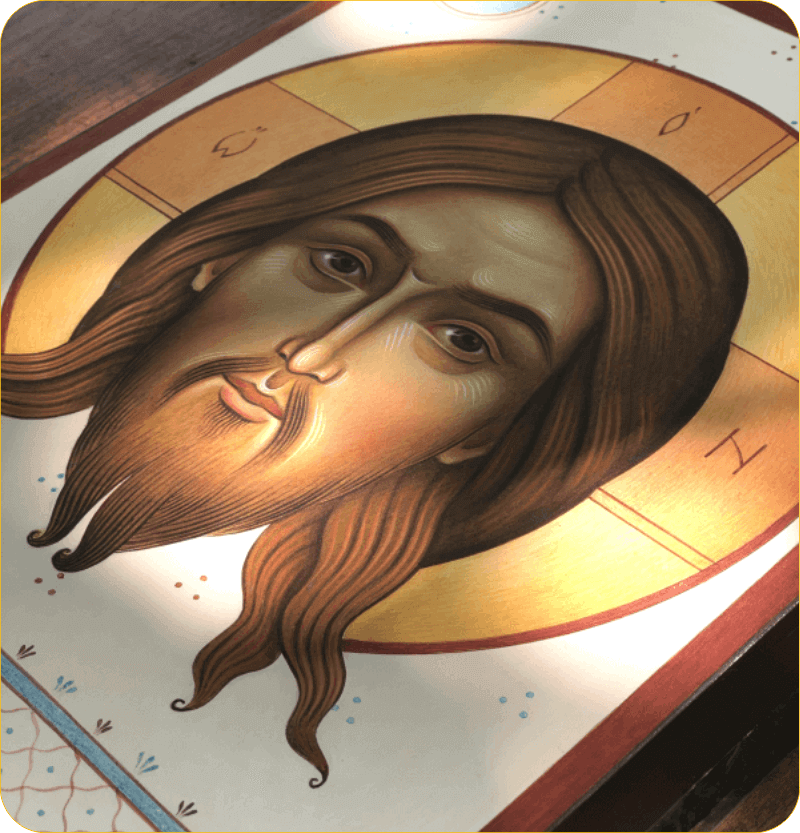
The online icon painting course "Savior Not Made by Hand"
This course is a great opportunity to create a handwritten icon in a place and time that is comfortable for you.
The teacher will share their experience and knowledge, and accompany you throughout the process:
from transferring the drawing to the board to varnishing.
Regardless of the format you choose, access to the video lessons will be unlimited.
Registration for the course is continuous, so you can start studying at any time.
Please note that the course is intended for those who already have experience in icon painting.
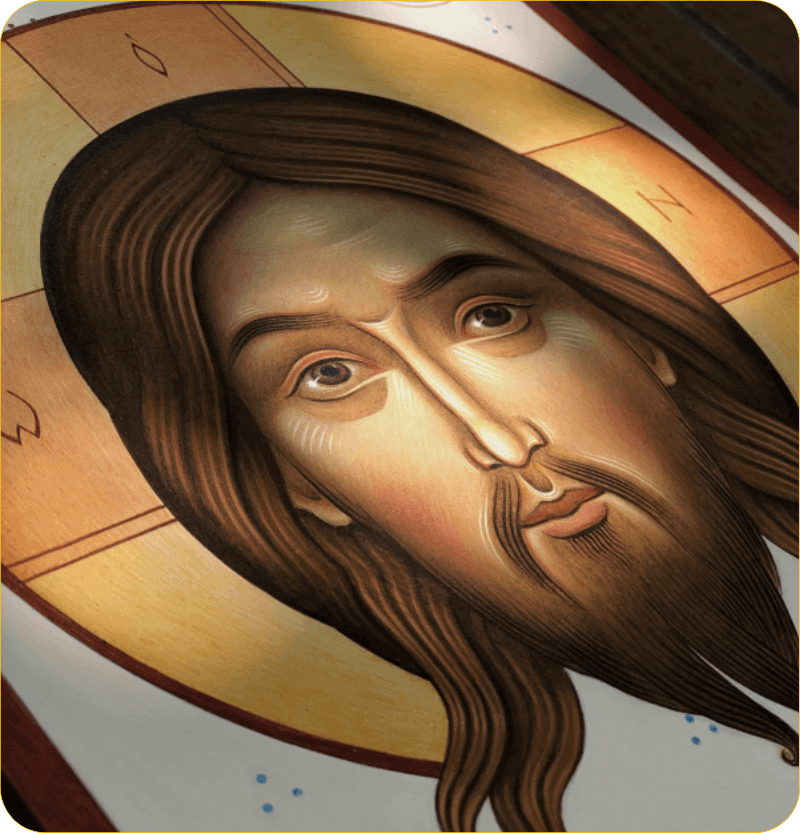
20 video lessons covering 9 topics, with detailed voiceover and teacher subtitles
Step-by-step photos and guidance images
By choosing this format, you will work independently, without any feedback
£ 240
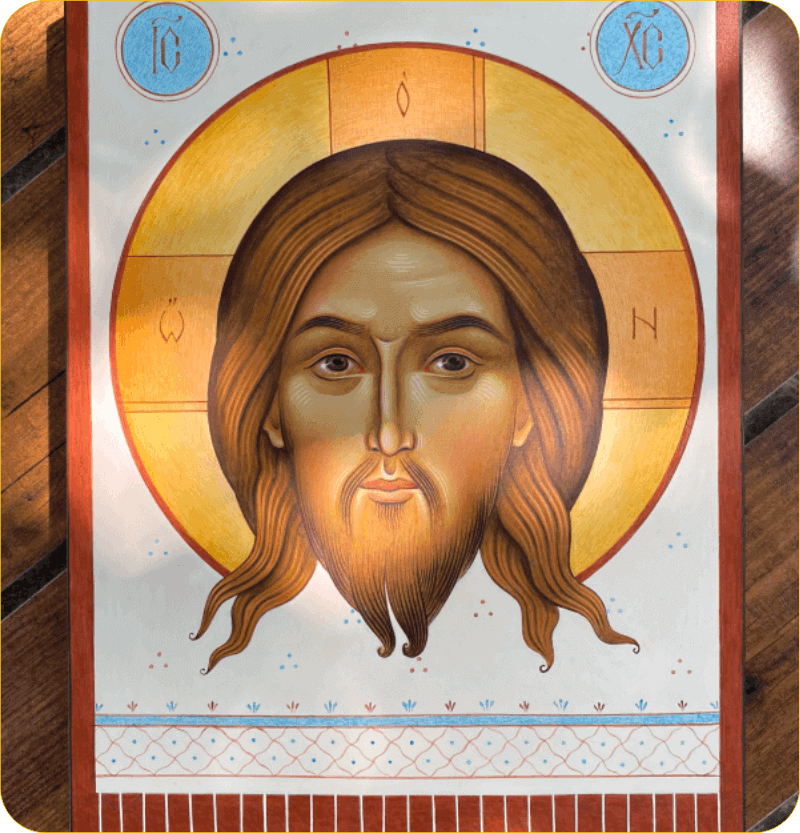
20 video lessons covering 9 topics, with detailed voiceover and teacher subtitles
Step-by-step photos and guidance images
Teacher's feedback and support for 1 month via e-mail
£ 320
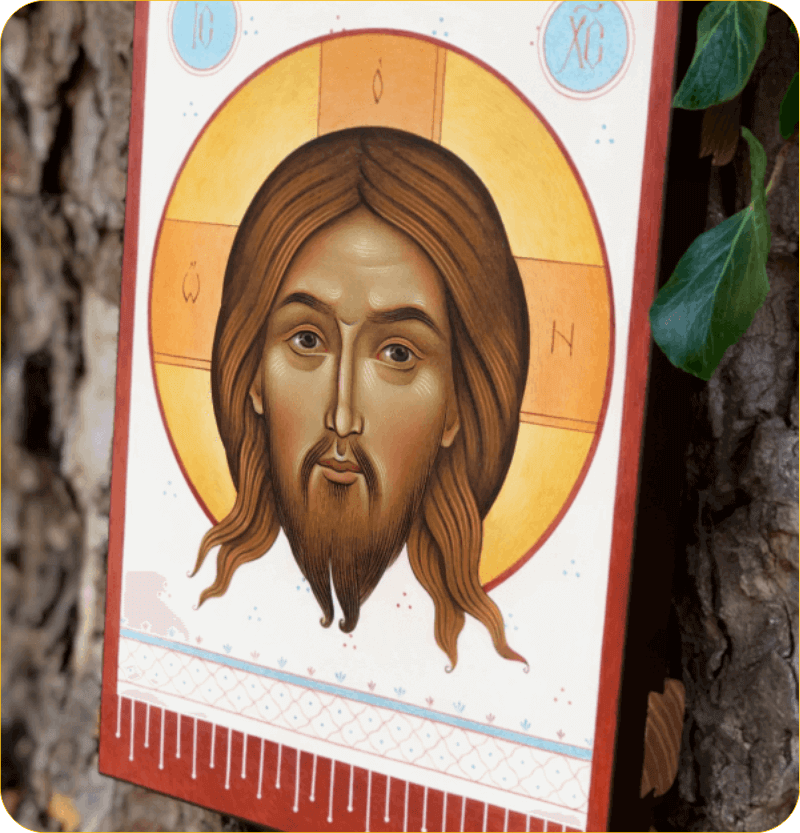
20 video lessons covering 9 topics, with detailed voiceover and teacher subtitles
Step-by-step photos and guidance images
A theoretical lecture on the theology of the icon ‘Savior Not Made by Hands’
Teacher's feedback and support for 1 month via e-mail
10 video sessions with the teacher
The schedule can be tailored around the student as there is no time limit to complete the course
20 video lessons covering 9 topics, with detailed voiceover and teacher subtitles
Step-by-step photos and guidance images
Teacher's feedback and support for 1 month via e-mail
10 video sessions with the teacher
The schedule can be tailored around the students
The number of participants in the group is 2-8